
War’s Imprint on Sheeran
I Heard You Paint HousesThis thread traces how Sheeran’s combat experiences shaped his tolerance for violence and followed him home into civilian life.
increasing Bearing strength in each event
 decreasing
Bearing strength in each eventdecreasingEnlisting for Action
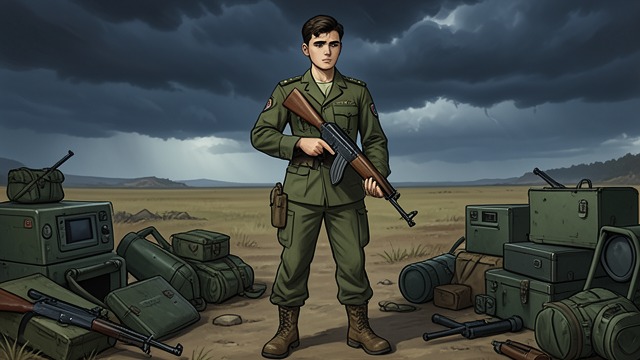
Choosing Combat
Leaving the safe assignment
Frank Sheeran enlisted before the United States entered the war and initially served in the military police. After Pearl Harbor, he volunteered for combat and attempted airborne training.
A shoulder injury ended the paratrooper plan, and the Army assigned him to infantry. His decision to seek action placed him in a prolonged front-line war.
A new discipline
Combat demanded obedience and self-preservation from a young man who had resisted authority. Sheeran later described that change as learning to act according to strict rules under immediate threat.
Sicily and Salerno
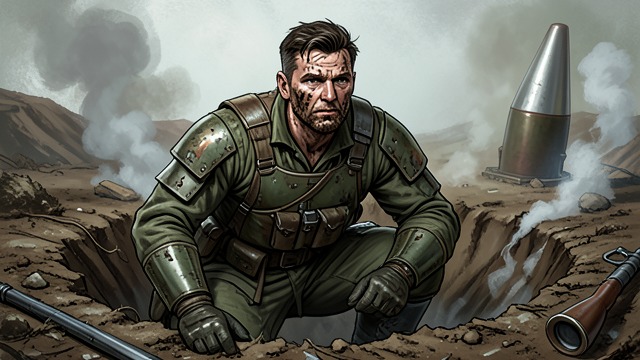
First Battles
Arrival at the front
Sheeran joined the 45th Infantry Division in Sicily, where artillery fire and the threat of attack made combat real. A childhood friend helped him dig his first foxhole and explained how to survive shell bursts.
At Salerno, German artillery and aircraft struck the beachhead. Sheeran remembered being afraid but unable to dwell on fear once the fighting began.
The cost of survival
A friend was killed, and replacements died soon after arriving. Sheeran began limiting his attachments because he could not bear repeated loss.
Anzio’s Long Wait
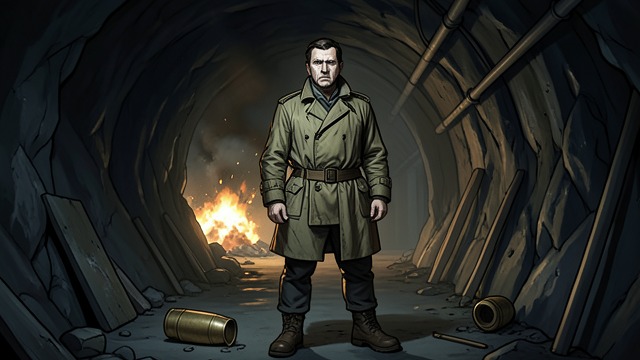
Life Underground
A trapped beachhead
At Anzio, Sheeran spent months in deep dugouts under artillery fire. Daylight movement invited attack, supplies were limited, and the men lived through constant danger.
The sound of the Anzio Express’s shells intensified the fear. Soldiers prayed, played cards, and imagined the lives they might resume after the war.
Hardening
The prolonged bombardment reinforced a habit of emotional containment. Sheeran described learning to endure without allowing fear to disrupt what had to be done.
Prisoners and Orders
The Moral Boundary Erodes
Institutional permission
The book describes General George S. Patton’s violent rhetoric toward German prisoners and the Biscari killings by American troops. Courts treated the officers and enlisted men involved differently, exposing a confused moral and military landscape.
Sheeran said that he handled prisoners and did what others expected. His account conveys how wartime practice and command culture blurred restraint.
A lasting pattern
The narrative links wartime conditioning with Sheeran’s later acceptance of violence, without making combat a complete explanation for his choices. The habits remained after the battlefield disappeared.
Coming Home Changed
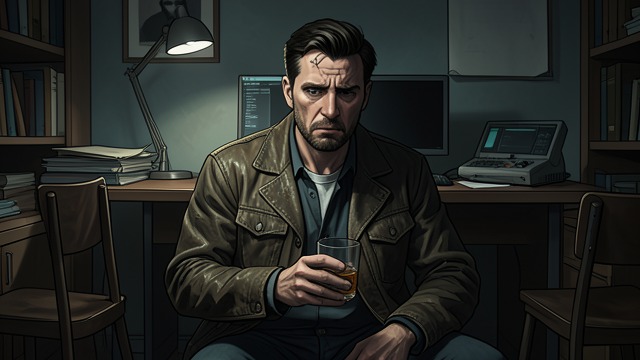
The War Comes Home
Recognition
Frank Sheeran’s brother saw that he had changed when they met after the war. Sheeran himself described feeling detached and sleeping only a few hours at a time.
Nightmares, anger, heavy drinking, and an inability to settle into ordinary work followed his return.
Civilian consequences
Sheeran said that combat had weakened his former moral habits and replaced them with rules of his own. The book presents this as part of his development, not as an excuse for later crimes.
1941–1943
Summer–autumn 1943
January–May 1944
1943–1945
October 1945 and after
